
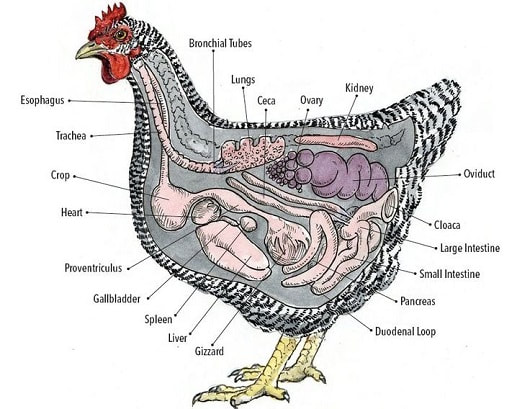
 Chicken anatomy diagram from www.anatomynote.com I am going to start blogging about the issues that are commonly found in poultry whether it’s commercial, rare breed chickens, heritage or show. Also, I will be covering more of what exactly we do and recent changes. I will have some extra spring help so it’s likely that we will have a few more videos and even some guest bloggers to share with you. Since there are potentially thousands of things that can go wrong with livestock, I want to talk about things we do to mitigate and what you can do to keep your birds on par. Basically what we do and how we do it. I don't have a script so it may be a bit disorganized. If there is something you'd like covered in depth feel free to email and I will take it into consideration for future publications. Due to the challenges that can arise from hatching eggs, we are no longer able to provide them. But we still offer them with our "free range" incubator program rental. This year was challenging raising so many pullets on pasture and keeping them separated by ages. Our profit from the Backyarder Rainbow Collection pullets is roughly $3 per bird at point of lay. We offer this collection as a labour of love and to share our chickens in an effort to help preserve the breeds we enjoy. The extra birds we raise from our breeding programs that are sold as meat have always proven the more profitable than our Rainbow Collection Program. I’m finding I don’t have the patience I once had a short decade ago and now that most of my breeding programs are established, I need a rest. For the next few years we will only be providing vaccinated female chicks to those locals who are interested in backyard hens. The birds will be vaccinated according to what is prevalent in B.C. We test for salmonella and influenza several times per year. At the farm level we can test for salmonella in real time. If you are selling birds I suggest you test for pullorum and influenza. If you are buying I suggest you buy them from a breeder who is diligent in testing for these. If you suspect pullorum or influenza in your chickens, you should report it right away. If you haven't read up on the Spanish flu of 1919, you should. A well written article will state that those who didn't die, developed a resistance or immunity to the disease. Thus the name of the blog title. It’s estimated by summer of 1919 that approximately 50 million died. Much much higher than the deaths associated with World War 1. Think about that for a minute. A pandemic took tens of millions more than a war. There are so many things that can affect a chicken, it’s impossible to test for all of them. Losing a chicken from time to time means that they are developing a resistance to whatever environmental conditions affect them. The environment in Alberta, differs from that of Ontario. So do the prevalent issues that may affect the birds. From those survivors who emerge will carry the torch forward for future keepers. It’s now my mission rather to help beginners as well as some of the online “experts” to realize that a 100% “clean” bird does not exist. Not commercially with broilers, heritage or hatchery. In most cases the best birds are those who survive and thrive in their immediate environment. Unfortunately, that’s not every chicken. Things happen well beyond the control of anyone. Let’s talk about what may affect poultry but not humans. These are common issues found in flocks. I advise that you should not destroy your birds in order to obtain "disease free stock". Unless you are operating a scientific testing facility with a triple secured barn with air and feed sterilizers, showering and changing between loading zone and in between the controlled access zone and restricted access zones your birds will in fact be exposed at some time during their life on pasture. A veterinarian that actually raises poultry can help you make the best decision going forward. Here are some facts about Marek’s since that seems to be the latest thing making its way around social media: Did you know that Marek’s is assumed in every flock? Marek’s disease is ubiquitous. This means it’s everywhere! It’s in your shoes, kitchen, it’s even in the air you breathe. Every flock is assumed to carry Marek’s. If you are afraid of pastured birds and desire a bird with no immunity and no pathogens, we can also provide those, however, mostly to institutions. They are quite expensive and the average poultry keeper will lose their birds within 3-12 months in a pastured type of operation or backyard with lack of strict bio measures. They must be fed a diet of sterilized feed and have air filtration as well as UV disinfection for both air and water. It should be assumed that most long-standing flocks carry an immunity to the Marek’s disease. Much in the same way that you and I don’t typically get the same flu virus that has already been encoded by our body. It’s the theory of how vaccination works. As we’ve said for years, we raise our birds on pasture so that they can already have some immunity before they go into your backyard coop. Our hatching procedures consist of sanitizing or fogging eggs prior to hatch which kills any type of potential external contamination. Marek’s is not vertically transmitted from hen to chick in ovo. Secondly, younger chicks are prone to issues with Coccidosis: Coccidia is a common protozoan parasite that affects all poultry between the ages of 4-16 weeks. It is commonly found in poultry operations and wild birds. Since this is present almost universally where poultry can be found, there are numerous solutions available to poultry keepers worldwide. Good management and low stress environments can mitigate the effects of this parasite. Pasture management can mitigate the effects but encounters with wild birds and previously rotated pasture may compound it. This is why we stress that you wear a designated pair of boots for the chicken coop. Recovered birds do not transmit it vertically. And there is Fowl Pox: Fowl Pox is also common in poultry. It’s spread by mosquitoes. It is advisable to control mosquito populations. If you live in Manitoba this doesn't just apply to spraying your chickens with deet, you need to stop it at its source by limiting the population growth by not letting them get the opportunity to feed on your birds. Many other issues can be transmitted by this flying vampire. But for the sake of our server we will save that for another day. We use granulated Boric acid in a solution of berry juice to feed mosquitoes and it has been helpful in controlling mosquito populations. Recovered birds do not transmit it vertically. But they will carry resistance to similar strains of fowl pox. Some diseases will rear their head during the winter months or can be brought on by stress. It can be exacerbated with shipping, mixing birds of different ages, and during establishment of the pecking order. In most cases a pasture raised or show poultry should have all of these situations figured out before they arrive. You should keep in mind when ordering birds that as much as we enjoy them, they are livestock. You should always order extras to allow for differing environmental conditions or predation in your area. You should not let them live in your house or cuddle with them. A normal bird - keeper relationship consists of a comfortable secured coop. The chicken’s role consists of producing you food, for show, or entertainment. Your role is caring for them and feeding them. Not to be an actual mother hen and raise them in the same fashion as children. Communicating your current situation and your goals to your breeder is the key indicator of success. I have to say that our customers are some of the smartest people we have met and they are thorough communicators when ordering. We also love getting the updates and pictures. In situations where you are adding birds in with an old existing flock, we do recommend that you let us know prior to ordering. You should always quarantine the new birds from the older birds. This is something we state clearly for a minimum of 30 days. If you are adding to an older flock, please let us know so that you can research whether you would like your new birds vaccinated for common issues that affect poultry such as Marek’s or Cocci. We feel that birds raised on pasture have a lesser bacterial load than if raised in barns. For this reason our breeders are only wintered over under cover or in barns during the periods that may expose them to migratory waterfowl that may carry highly pathogenic forms of influenza. In order to protect our friends and consumers, this is now how we operate. We feel comfortable that our birds have nearly the same immunity as commercial stock, without the added antibiotic use. We provide chicks from tested parent flocks that will thrive given the best opportunities. If you are interested in testing your flock or raising a parent flock for us, we would encourage you to contact us to talk about various opportunities we have available going into 2020. Our promise to you is we will continue to test for salmonella and influenza as every good breeder should. We will continue to raise our birds on pasture and strive for immunity in our flocks where it makes the most sense. If you have questions about testing or would like advice on testing your flock, please let us know. Remember 1 bird with a healthy level of resistance is worth 2 in the bush.  At the Lab UBC
0 Comments
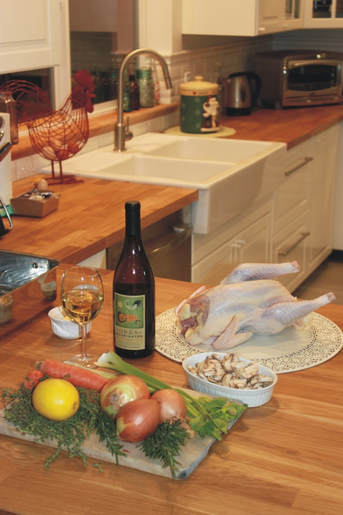
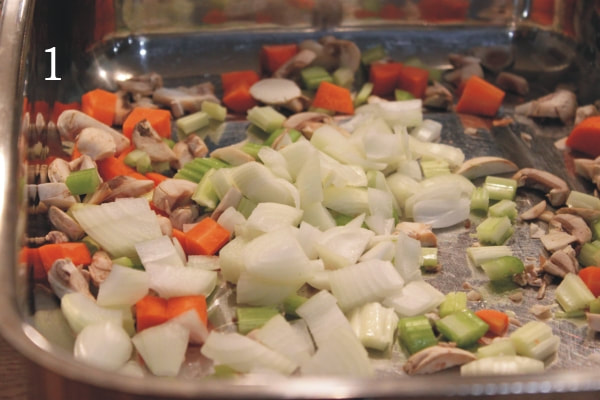
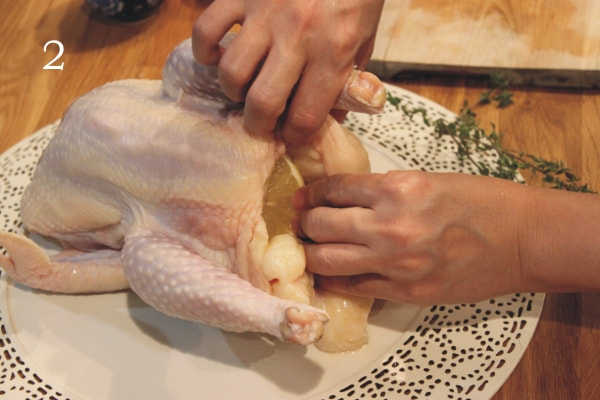
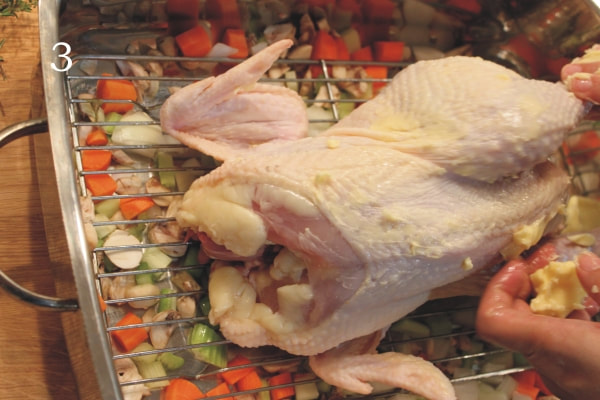
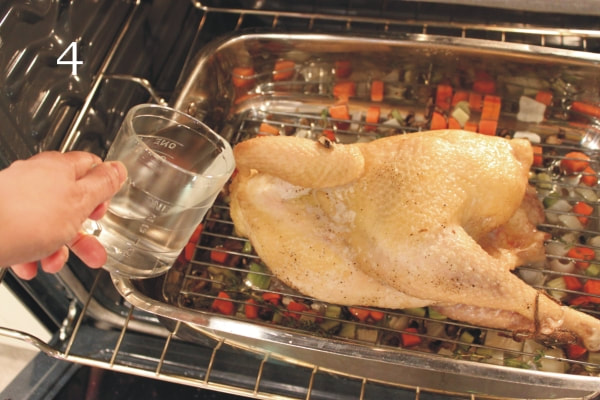
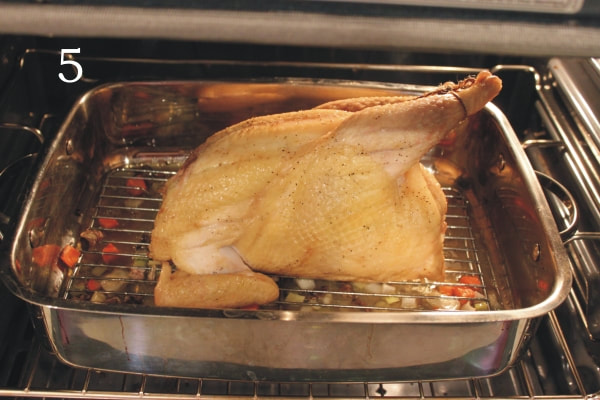
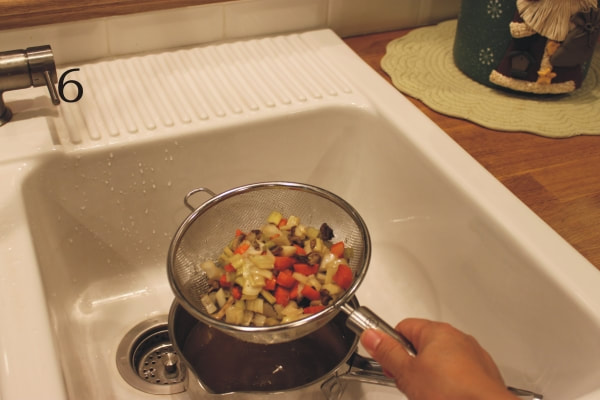
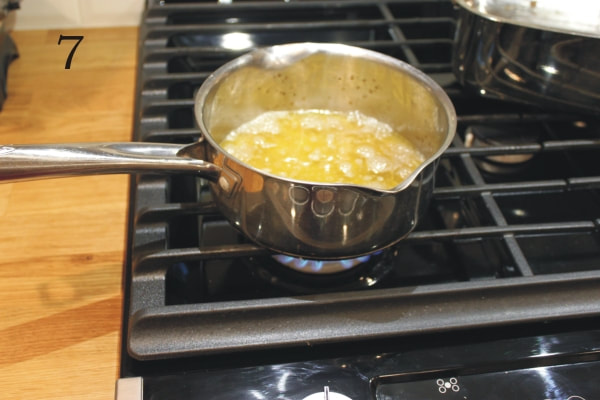
 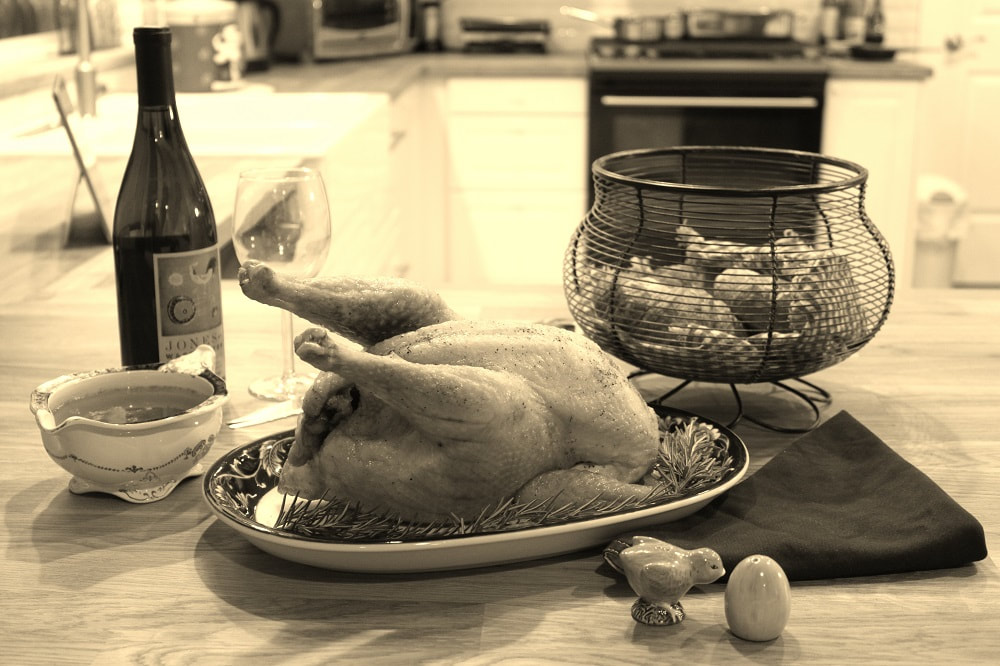 This photo and the other following pictures were taken by Matthew while cooking one of our signature Le Grand chickens using D.S.'s low and slow recipe below. I recently asked a customer if he would be interested in writing a guest blog about why their family choose to buy chicken from us and how they go about preparation. I first met this gentleman a couple of years back to turn over some table birds. It was the very first time someone had purchased chicken before speeding away on his motorbike. I’m always pleasantly surprised at how informed today’s consumers are and very thankful for people like D.S. who go out of their way to help out the small farmer. I’m speaking of the local small grower community, not necessarily just us. Here is his blog: "I've been purchasing Grade Eh Farms poultry for almost two years now. My wife and I like the fact that we can support a local farm, not only keeping our spending in the community, but hopefully helping to encourage and promote food security through breed diversity. We've all heard of examples over the years of crop/line failures due to mono-culture practices in larger farming systems. While understandable from a purely economic point of view, it makes little sense when such inbred crops/animal lines are much more susceptible to pressures from disease due to a lack of biodiversity. Family farms like that of the Nelson's help us retain biodiversity in our food systems creating greater food security. Good stuff! If you are considering supporting this type of food secure farming, kudos! You're helping your community and farming in general. There is, however, something you should know: throw all that you think you know about cooking chicken out the window. We're talking about cooking chickens that live like chickens; rather than a life in a pen for a bird that has been bred for little more than breast meat, you're about to prepare a bird that has been running around in a field and has the legs of a sprinter. Yes, there's less breast meat but it's not the prime meat. Dark meat is where it's at. That's where the flavour is. That's where a good chicken recipe transforms into a great one. Why should you think about how you cook one of these Grade Eh birds? Because these birds actually are out in the world getting exercise and feeding on the grasses, bugs, and other foods available. This means that the meat is denser than the gelatinous mass you see in the grocery store. You need to consider more than just cooking it through. Think about how you cook ribs or a brisket. It takes time to cook this type of meat because of the amount of collagen in the meat. That's the connective tissue in the muscle. Collagen needs time to break down under consistent heat so that it can covert into a soft gelatin, making the meat tender. So changing the time and temperature is where we're looking. Think low and slow just like ribs and brisket. It did take me some time to get it right for these chickens. The first couple of times I just didn't go low and slow enough. I was always worried about drying out the chicken like what happens with those store-bought birds. The thing is we're breaking down the collagen to gelatin which stays in the meat, keeping it moist. Also, starting the chicken off at a high temperature for a short time, 10 to 15 minutes, helps sear the skin to keep juices where they should be, in the meat. With this in mind, it's rather easy to cook a truly free-run chicken with some real meat on it's bones. I take a bit of a lesson from Lyn Hall's cookery course and advice from Amanda at Grade Eh Farms on cooking these fantastic birds. For a great bird like the Heritage Line here is a simple yet satisfying recipe to use (thanks to Lyn Hall for this one):
Cooking the chicken on its side allows the juices to run into the breast to keep it moist. It also exposes the dense meat in the legs to the heat of the oven. Adjust cooking time depending on the size of the bird. The jus is a thin sauce with an intense flavour made with stock and the juices from the roasting pan.
I hope this all helps with your foray into truly farm fresh chicken. Play with your existing favourite recipes a bit and see what you can come up with... then share. I'm always looking for great ideas for roast chicken! DS from Vancouver."  It's hard to believe almost 10 years ago I was president of a company that taught others how to be business leaders through sharing my successes and my failures. At that time in my life, I wasn’t big on emails and had never even read a blog. Oh my, how life has changed! I am now a solitary chicken farmer, my arsenal is the World Wide Web. If you’d asked me 10 years ago, I'd never in a million years dreamed life would take me to where I am. My conversations now are with my family, friends, chickens, and on occasion the farmers who struggle alongside me. To think, I walked away from the "good life" to be with my family and foster the land. But, that's another story.
I want to start off by sharing with you why we eat pastured chicken. I love chicken; I'm certain that without meat I'd die. No amount of tofu could replace the 6-8,000 calories I burn per day. But, first I should explain how much my instincts conflict with killing when we are not growing it for ourselves. I dread butchering day, especially when my chicken’s head is on the block. You know, the ones that I nurture and watch grow into amazing colours with attitudes and unique personalities. Back in the day, I could sit down and unrepentantly devour 2 Costco chickens in one meal and still fit in a baked potato, side of KD, and a beer. I’d been reprogrammed to forget the taste of fresh eggs and the chicken of my youth. I can’t eat store-bought chicken anymore. Now into my 40's, those same 2 Costco birds will be harder on the waistband of my pants and unfulfilling. I love pastured chicken because the birds are filling. One bird can last us a work week! That means, in one week we save 9 birds from slaughter and lessen our environmental impact by doing so. The fact is that the pasture bird lived a life running in the field unencumbered by walls. This is something that industry in North America is unwilling to risk. This gives us the upper hand to act now before industry advances and starts raising truly amazing chicken. If you need good breeding stock we have your back. Need a mentor or a partner? We will walk alongside you as time allows. Now here I am, driving this pastured chicken train like I stole it. Watch out, good things are going to happen for the small growers of crops and birds. Strength comes in numbers. My job is to preserve, my intention has always been true to that. My preference has been to sell breeding stock. But in order to be sustainable we need to do a little bit of everything. I enjoy the genetics, and the people we meet. We've turned down some very very tempting offers to raise our birds in volume in free range poultry barns. As well as supplying butchers and restaurants with hundreds of birds per month. But, I don't want to butcher every month! It was never my intention to do so! My heart can only handle the abattoir every 3-4 months. When that feeling stops I'll know I've traded my soul for cash and it will be time to open another chapter. I don't tell you this because I want to guilt you into a vegan lifestyle. (There are enough vegans out there to tell you how horrible you are for eating meat) If God wanted you to eat toilet paper and hemp all the time, he certainly wouldn't have made dinosaurs... I tell you this because it's what's on my mind tonight. I'd rather eat a bird that has flavour and texture than one that was born in the lab and lived in and died in a building a mere 4 weeks later. I think it’s great people are eating organic, but they are missing the point. Organic doesn't mean anything to the bird. The revolution is upon us and our fine feathered friends. It's time to remove the corporation stronghold and farm again like our lives, our chickens’ lives, and our consumers’ lives depend on it. Because they do. |

Hello There!Thanks for dropping by. I'm Matthew Nelson, farmer of Grade Eh Farms. I post on where my love and passion for life intersect with family, farming, food, & chicken for the soul. 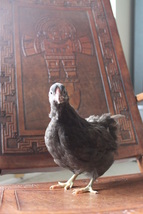
Meeting Expectations
Farmer's Blog Categories
All
Farmer's Blog Archives
December 2022
Interesting FindsBelow are links to websites that gardeners and chicken owners may find helpful and interesting:
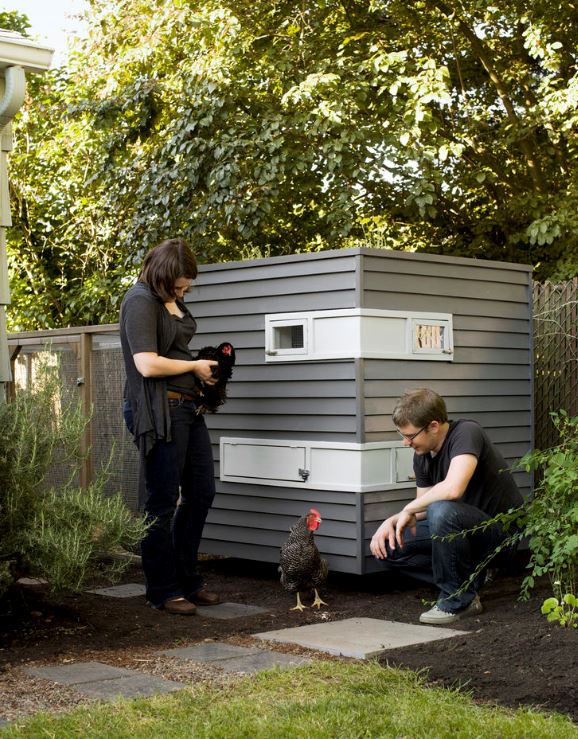
Best source for backyard henhouses in BC. Locally-crafted chicken coops made of repurposed BC cedar:
DailyEggs.com
Useful information on raising healthy, happy free-range hens:
A portion of our ordering policy was stolen from Legbars of Broadway. Thanks Philip. :-)

|
 RSS Feed